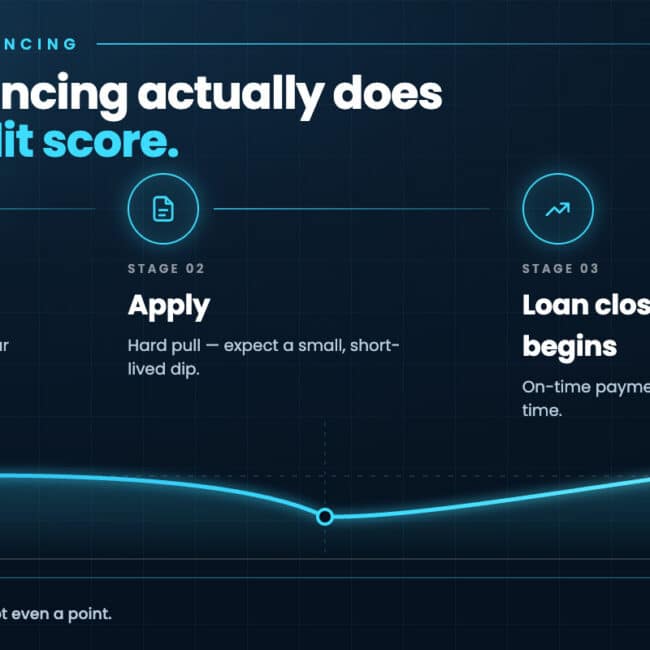
Refinancing feels big, but the actual process is straightforward when you break it into clear steps. Use this checklist so you know exactly where you are in the journey.
Step 1: Gather your current loan details
Before comparing offers, list out each loan you have today: servicer, remaining balance, interest rate, and monthly payment. That gives you a clean baseline so you can tell whether a new offer truly improves your rate, payment, or total interest over time.
Step 2: Decide which loans you want to refinance
You can refinance some loans, all of them, or just your highest‑rate balances. Some borrowers will choose to keep certain federal loans if they still need benefits like income‑driven repayment, and only refinance higher‑rate private loans or federal loans they’re comfortable converting to private repayment.
Step 3: Check whether you’re likely to qualify
Most refinance lenders look for a few basics: a completed degree, steady income, a history of on‑time payments, and credit in at least the “good” range (660+ FICO). If you’re not quite there yet, improving your credit habits or adding a strong cosigner can make a big difference in the offers you see.
Step 4: Compare offers from multiple lenders
This is where the real savings come from. Instead of applying lender by lender, using sites like Admire.org lets you see multiple refinance offers side‑by‑side based on one short set of questions and a soft, no negative impact credit check. This lets you quickly compare real rates, terms, and features in one place and rule out options that don’t clearly beat what you already have.
Step 5: Choose your term and rate type
Once you’ve narrowed down your options, decide what matters most: lowering your monthly payment, paying off debt faster, or striking a balance between the two. Shorter terms usually mean higher payments but less total interest; longer terms reduce your monthly bill but increase total interest. Its very rare to see a lender with a prepayment penalty so you can feel safe paying down the loan faster should it make sense (now or later).
Step 6: Apply and transition to your new lender
After you pick an offer, you’ll complete a full application with that lender. At this stage they’ll typically confirm your credit and verify documents like income and payoff statements. If you’re approved and accept the offer, your new lender pays off the old loans and you begin making payments under the new rate and terms, usually within one or two billing cycles.
You’ve now got the big picture of how refinancing works and what to watch out for. If you’re ready to see whether it actually makes sense for your loans, your next best step is to check real offers.
Start here: Find My Rate – answer a few quick questions and see refinance options from multiple lenders in one place. It takes about 3 minutes!
You might also like:
- A guide on Top 5 Reasons to Refinance Your Student Loans
- An article on Student Loan Refinancing in 2026 (What the numbers actually tell you).
- A walkthrough on how to improve your credit score before refinancing.
Use the Find My Rate flow when you’re ready to run your own numbers, and use those additional guides if you want more context before you decide.