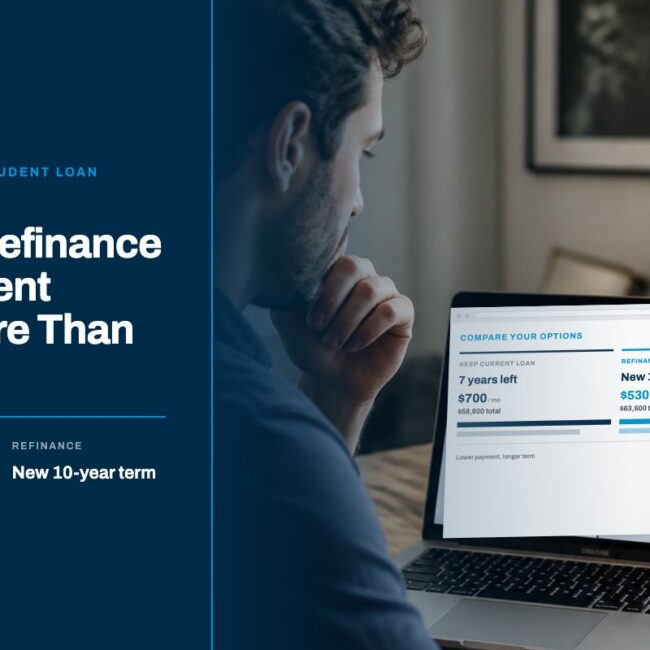
Most borrowers don’t realize how easy it is to make costly mistakes when choosing student loans. These errors can add thousands to what you pay over time, often without warning. This guide breaks down 12 common student loan mistakes and shows you exactly how to avoid them, so you can compare student loan rates confidently and pick options that truly save you money. Check your rates with a soft credit check on Admire.org to see real offers side by side without impacting your credit score. For further insights, you can also check out the 5 student loan mistakes to avoid.
Choosing the Right Loan Type
Not all student loans are created equal, which means your choice can greatly impact your financial future. Let’s explore the key differences.
Federal vs Private Student Loans
Federal student loans often come with benefits such as income-driven repayment plans and loan forgiveness options. These loans are generally easier to qualify for, but the borrowing limits might not cover all your expenses. On the other hand, private student loans can bridge this gap. They require a credit check, and the rates might vary based on your credit profile. It’s essential to weigh these options carefully. Federal loans could offer more flexibility, while private loans often require a strong credit score or a cosigner. For a deeper understanding, check out these useful loan tips from UMich.
Fixed vs Variable Student Loans
Choosing between fixed and variable interest rates is another crucial decision. Fixed-rate loans offer stability; your payments remain the same throughout the loan term. This consistency makes budgeting easier. Variable rates, however, can change over time. They might start lower but can increase, affecting your monthly payments. If you’re planning to repay quickly, variable rates might save you money. However, for long-term repayment, fixed rates might offer peace of mind. You can explore more about these options from Harvard’s borrowing tips.
When Not to Refinance Student Loans
While refinancing can lower your student loan interest, it’s not always the best option. Federal loans offer unique benefits like deferment and forbearance, which you might lose if you refinance with a private lender. If you’re eligible for loan forgiveness programs, refinancing could disqualify you. Sometimes sticking with your federal loan is wiser, especially if you’re unsure about your future income. Visit this blog from SUU for more insights.
Understanding Loan Costs

Understanding the costs associated with student loans is crucial for making informed decisions. Here’s how to break it down.
APR vs Interest Rate
The Annual Percentage Rate (APR) reflects the total loan cost, including fees. It’s more comprehensive than the interest rate, which only represents the cost of borrowing. A lower interest rate might look appealing, but always consider the APR to get the full picture. This can help you compare student loan rates accurately. A loan with a slightly higher rate but no fees could end up cheaper overall. Remember, the true cost of borrowing is in the details.
Origination Fees Student Loans
Origination fees are upfront costs some lenders charge to process your loan. Federal loans typically have these fees, while many private lenders don’t. These fees can add up quickly: if you’re borrowing $10,000 with a 1% fee, you’re already $100 in the hole. Factor this into your total cost calculations. Knowing these fees beforehand can help you choose the best student loan rates.
Total Cost of Student Loans
The total cost of student loans includes the principal, interest, and any fees. Over time, these can add thousands to your repayment amount. To reduce student loan interest, consider paying more than the minimum when possible. This not only lowers your principal faster but also saves on interest. Use a student loan comparison tool to see the true cost over time and avoid common student loan mistakes.
Avoiding Common Pitfalls

Many borrowers stumble into traps that can increase their debt. Here’s how to sidestep these common errors.
Cosigner for Student Loans
A cosigner can improve your chances of getting approved for private student loans, often with better terms. However, this means the cosigner is equally responsible for the debt. If you miss payments, their credit is affected too. It’s a big ask, so communicate openly about expectations. Most people think they can manage independently, but a cosigner can sometimes be a necessary ally.
Soft Credit Check Prequalification
Before applying, see if you can get prequalified with a soft credit check. This doesn’t affect your credit score and gives you an idea of the rates you might receive. Many think their score will drop just by checking, but that’s not the case with soft checks. This step is crucial in how to choose student loans that fit your budget.
How to Choose Student Loans
When selecting student loans, compare offers from multiple lenders. Look for the lowest APR, minimal fees, and favorable terms. Consider your long-term financial goals and the impact of each choice. Use a refinance student loans calculator to see potential savings. The longer you wait, the more you could end up paying, so act wisely with the information you’ve gathered. For a detailed analysis on what went wrong with student loans, refer to this Brookings report.
By understanding and avoiding these common mistakes, you’re better equipped to make smart financial decisions. Remember, the key is in the details, and using the right tools can make all the difference.
See how others saved money and gain tips to choose your best loan fit.