For nearly two decades, the Grad PLUS and Parent PLUS loan programs have filled a crucial gap in federal student aid by helping graduate students and parents cover college costs not met by scholarships or traditional Stafford loans.
Now, that’s changing.
The Department of Education has begun winding down or reassessing both PLUS programs, signaling a major shift in how families will finance higher education going forward. Here’s what that means — and what you can do to prepare.
Why Grad PLUS and Parent PLUS Are Being Reconsidered
PLUS loans were created to ensure that no student would be denied access to education because of financial barriers. Over time, however, the programs have drawn criticism for:
- High interest rates (around 8% in 2025 — far higher than undergraduate loans)
- Origination fees approaching 4%
- Unlimited borrowing up to the cost of attendance, leading to unsustainable debt burdens
- Minimal underwriting, leaving many families with loans they struggle to repay
The Department of Education and Congress are now looking to cap, replace, or restructure these programs — particularly for graduate and professional students. Policymakers have hinted at new borrowing limits or a shift toward school-certified private loans that include more consumer safeguards.
What Borrowers Can Expect Next
If you’re a current Grad PLUS or Parent PLUS borrower, nothing changes immediately.
Existing loans remain active and can still qualify for income-driven repayment or Public Service Loan Forgiveness (PSLF).
If you’re planning to borrow for the upcoming academic year (2026-2027), though, expect:
- Reduced availability of PLUS loans at some schools
- Tighter borrowing limits
- More reliance on private or credit-union loans to bridge the gap
Financial aid offices will likely guide families through this transition, but it’s wise to start comparing options early rather than waiting for federal changes to take effect.
How Students and Parents Can Prepare
This shift doesn’t have to be stressful. Here’s how to stay ahead:
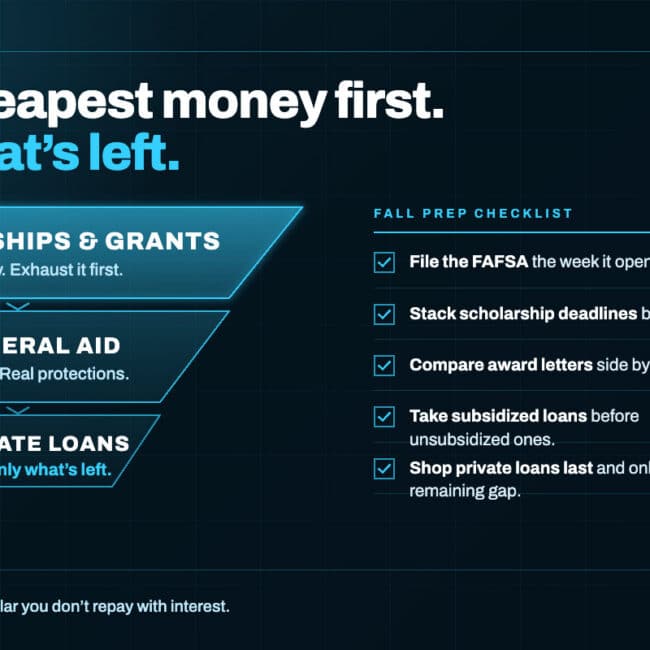
- Estimate your real funding gap. Subtract scholarships, grants, and federal unsubsidized loans from your total cost of attendance. That’s the amount you’ll likely need to cover elsewhere.
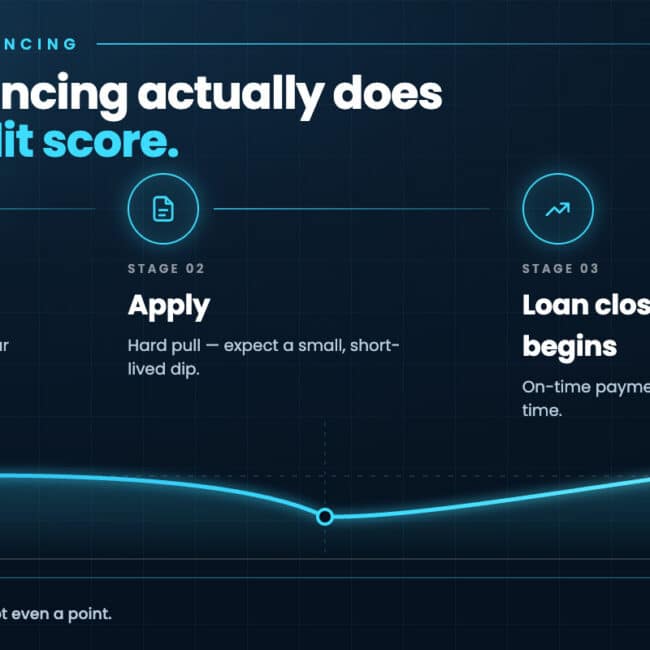
- Compare lending options. Many credit unions and private lenders now offer graduate, professional, and parent loans with competitive rates and no origination fees. Most lenders will also allow co-signers, which can reduce costs significantly.
- Focus on repayment flexibility. Look for lenders that offer deferment, interest only payments, or partial payments (e.g. pay $25 per month) during school, grace periods after graduation, and hardship forbearance — features that mirror federal protections.
Where Admire Fits In
At Admire, our goal isn’t to replace federal programs — it’s to help students and families navigate the new reality of higher-education financing. We bring together trusted lenders and credit-union partners so you can compare private loan options that may fill the gap left by the winding down of PLUS loans.
As the federal landscape evolves, Admire will continue to publish guides like this one to help borrowers make informed, confident decisions — and to keep you updated as new programs emerge.
Key Takeaway
The end (or evolution) of Grad PLUS and Parent PLUS doesn’t mean the end of opportunity. It means a smarter, more transparent lending era — one where families have to compare, plan, and choose intentionally.
Admire will help you stay informed as that future unfolds.