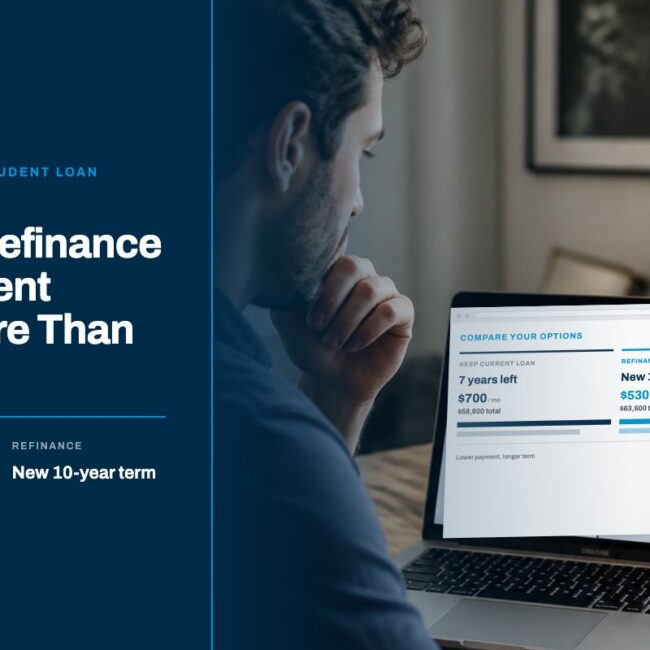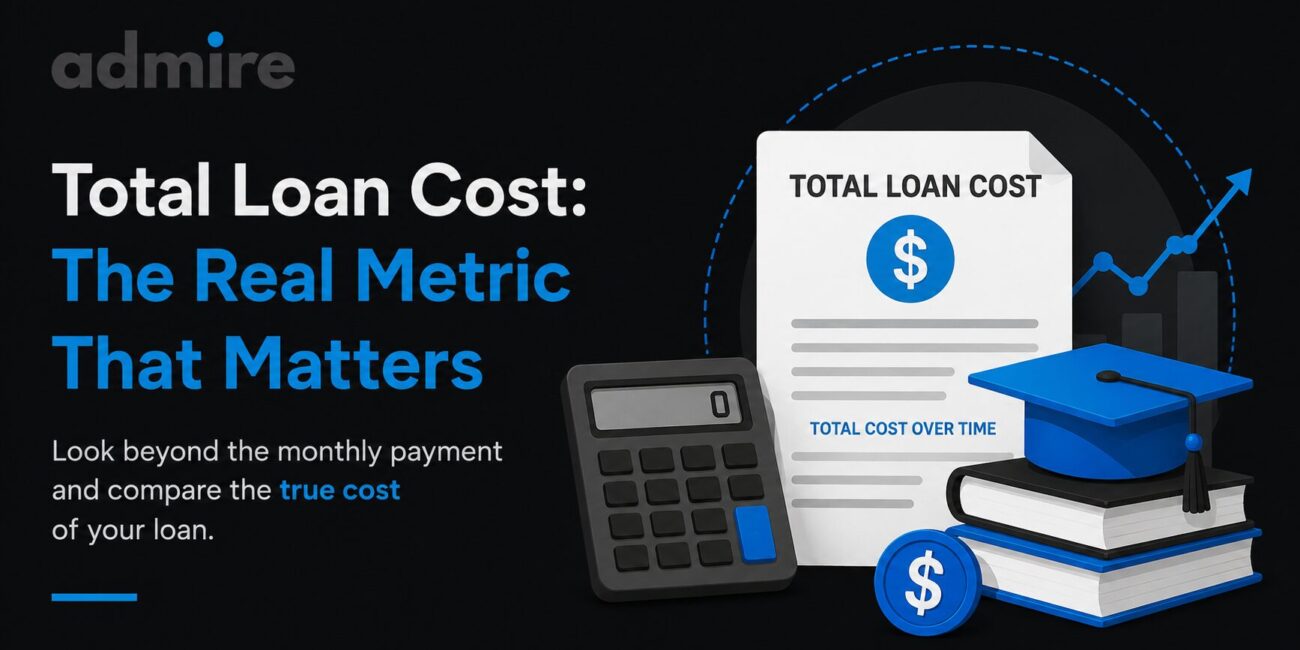
Most borrowers fixate on monthly payments or the interest rate (APR) when choosing a student loan. That focus hides the real story: the total loan cost over the life of your loan. Knowing your student loan total cost helps you spot the best deals, avoid surprises, and make smarter choices about student loan refinance options. Keep reading to learn how this one metric beats interest rate and payment comparisons every time. For more insights, you can also explore the Understanding the True Cost of a Loan.
Understanding Total Loan Cost
When diving into student loans, it’s easy to get distracted by flashy interest rates or low monthly payments. But the real hero here is the total loan cost. This metric, often overlooked, gives you the true picture of what you’ll ultimately pay.
Why APR Isn’t Enough
APR is a common term you come across. It stands for Annual Percentage Rate, and while it sounds important, it doesn’t tell the whole story. APR includes the interest rate and some fees, but not everything. Here’s where you might think: If it’s not covering everything, what’s missing? The answer is simple: total interest paid over time.
Let’s break it down. A loan with a low APR but a long term could end up costing you more than a higher APR with a shorter term. Surprised? Most people are. This is why focusing solely on APR can lead to unexpected expenses. For instance, a loan with a 5% APR for 15 years might cost you more than a 6% APR for 10 years.
Breaking Down Monthly Payments
Many borrowers focus on monthly payments. It makes sense; it’s what comes out of your pocket every month. However, these payments can be deceiving. A lower monthly payment often means a longer loan term, which means more interest paid.
Consider this: a $300 monthly payment over 20 years versus a $500 monthly payment over 10 years. The lower payment looks appealing, but you end up paying more in interest. This is a crucial insight that many overlook. Knowing this can help you avoid loans that seem affordable but are costly in the long run.
The Impact of Loan Terms
Loan terms are a key player in the total cost. A term is simply how long you have to repay the loan. Longer terms mean more interest. Shorter terms cost less overall but have higher payments. So, how do you choose?
Think about what fits your budget now and in the future. A shorter term might be harder each month but will save you money over time. On the flip side, a longer term might be easier monthly but costlier overall. For more on how loan terms affect costs, this Wolters Kluwer article is useful.
Comparing Loan Options

Now that we’ve covered the basics, let’s compare different loan options. This understanding will guide you toward the right choice, whether it’s a private or federal loan, and fixed or variable rates.
Private vs Federal Loans
Federal loans offer benefits like income-driven repayment and forgiveness possibilities. But they might not cover everything. That’s where private loans come in. They can fill the funding gaps but usually lack the flexible repayment options of federal loans.
If you’re considering private loans, know their pros and cons. While federal loans are stable, private loans can offer lower rates if you have good credit. But beware: they also come with fewer protections.
Fixed vs Variable Rates
Choosing between fixed and variable rates is another big decision. Fixed rates stay the same, offering predictability. Variable rates, however, can start lower but change over time. This choice depends on your risk tolerance.
If you like certainty, fixed rates are the way to go. But if you’re willing to gamble a bit for a potentially lower rate, variable rates might suit you. Keep in mind, variable rates can increase, affecting your total loan cost significantly.
Origination Fees and Hidden Costs
These sneaky fees can add up. Origination fees are what lenders charge to process your loan. They can be a flat fee or a percentage of your loan amount. Always check for these when comparing loans.
Besides origination fees, watch out for prepayment penalties or late fees. These hidden costs can turn a seemingly good deal into an expensive one. Understanding these fees ensures you’re truly comparing the total cost of each loan.
Making Informed Decisions

Armed with this information, you’re ready to make smart choices. Let’s look at some tools and tips to aid your decision-making process.
Using a Student Loan Calculator
A student loan calculator is your best friend. It helps you visualize your total loan cost, monthly payments, and how different rates or terms affect these numbers. By entering your loan details, you can see the total interest paid and adjust your plan accordingly.
Calculators make complex numbers simple. They offer a clear view of how small changes in rate or term impact your finances. You’ll find many free tools online that can guide you through this process.
Checking Pre-Qualified Rates
Before applying, check your pre-qualified rates. This process involves a soft credit check, meaning it won’t affect your credit score. By doing this, you get an idea of the rates you might qualify for without any commitment.
Checking pre-qualified rates helps you compare student loans without any pressure. It lets you see what’s out there before making a decision. This step is crucial for a borrower-first marketplace like Admire.org.
When Not to Refinance
Refinancing isn’t always the answer. If you have federal loans, you might lose benefits like income-driven repayment plans or loan forgiveness. Consider your long-term plans and current financial situation.
Ask yourself: Can I handle higher payments for lower total cost? Do I need the protections federal loans offer? If yes, refinancing might not be wise. This is why understanding your personal situation is key to making informed decisions.
By focusing on the total loan cost, you’re better equipped to navigate the complex world of student financing. Remember, the longer you wait, the more interest accumulates. Don’t let the allure of low APRs or monthly payments steer you away from smarter choices. With the right tools and knowledge, you’ll find the best fit for your needs.
Start your personalized loan comparison and take control of your borrowing.
Related Reading
- How Admire’s Soft Credit Checks Protect Your Credit Score
- How Admire’s Borrower-First Marketplace Changes Student Loan Shopping Forever
- How to Use Soft Credit Checks to Compare Student Loans (Without Hurting Your Score)
- PSLF vs. Refinancing: The $200K Decision Most Professionals Get Wrong
- Your Employer Might Match Your Student Loan Payments. Most Borrowers Have No Idea.
Compare Your Options
Ready to see what rates you qualify for? Admire.org lets you compare real rates from 20+ lenders with a soft credit check — no impact to your credit score.
- Compare Student Loan Refinance Rates — See real refinance rates from 20+ lenders with no credit impact
- View Current Refinance Rates — Side-by-side rate comparison updated daily
- Read Our Lender Reviews — Honest reviews of SoFi, Earnest, ELFI, and more