Most people think refinancing student loans always saves money. That’s not true. Sometimes, it can cost more or mean losing federal protections. Knowing when to refinance student loans and when to hold back can save you thousands. This guide breaks down who benefits, who doesn’t, and how to compare pre-qualified refinance rates with no impact on your credit.
Understanding Student Loan Refinancing
Refinancing student loans can sound like a great way to save money, but it’s crucial to understand the basics first. This section will help you learn the ins and outs of refinancing.
What is Student Loan Refinancing?
Student loan refinancing means taking out a new loan to pay off one or more existing loans. The goal is to get a lower interest rate or better terms. By refinancing, you consolidate your loans into one monthly payment, which can make managing your finances easier. It can be appealing if you qualify for a lower rate than what you’re currently paying. But remember, refinancing is not for everyone, especially if it means giving up valuable federal loan benefits.
Pros and Cons of Refinancing
The benefits of refinancing can be tempting, but there are also drawbacks to consider. On the plus side, refinancing can lower your monthly payment, potentially saving you thousands over the life of the loan. This is particularly true if you have high-interest private loans. However, refinancing federal loans into private ones can mean losing access to benefits like income-driven repayment plans. Also, refinancing might not be wise if you’re close to paying off your loans or if you plan to use federal forgiveness programs.
Fixed vs Variable Student Loans
Choosing between fixed and variable interest rates is a significant decision when refinancing. Fixed rates stay the same, providing stability and predictability for your monthly payments. This can be reassuring if you like to budget with precision. Variable rates can change over time, often starting lower than fixed rates but potentially increasing. This option might save money if rates stay low, but it can also lead to higher payments if they rise. Consider your financial situation and risk tolerance when making this choice.
When to Refinance Student Loans

Timing is everything, especially when it comes to refinancing your student loans. This section explains when refinancing makes sense – and when it doesn’t.
Ideal Situations for Refinancing
Refinancing is usually very good if you are still carrying your original loans. Those were issued before you had a full time job and prior to graduation which means they were considered higher risk to the lender. If you graduated, have a stable income and good credit, you might qualify for a lower interest rate. This can save you a lot over time. Another ideal situation is when interest rates drop, allowing you to lock in a better rate. Lastly, if you have multiple loans with different rates, refinancing can simplify your payments into one making it far easier to manage. Remember, even small rate drops can lead to substantial savings over the loan’s life.
Situations to Avoid Refinancing
Refinancing isn’t always the right move. Avoid refinancing if you’re relying on federal loan benefits like forbearance or income-driven repayment plans. These protections can be invaluable during financial hardships. Also, if you’re close to paying off your student loans, the cost of refinancing might outweigh the benefits. Lastly, if your credit score hasn’t improved since you took out your original loans, you might not qualify for better rates.
Should I Refinance Federal Loans?
Refinancing federal loans should come with a little more caution. When you refinance federal loans with a private lender, you lose access to federal benefits like loan forgiveness programs and flexible repayment options. However, if you’re not using these or not eligible and can secure a much lower rate, refinancing might make sense. It’s essential to weigh the pros and cons carefully. For more details, check out this Federal Reserve guide.
Comparing Refinance Rates
Finding the best refinance rates requires careful comparison and consideration. This section will guide you through the process.
Finding the Best Refinance Rates
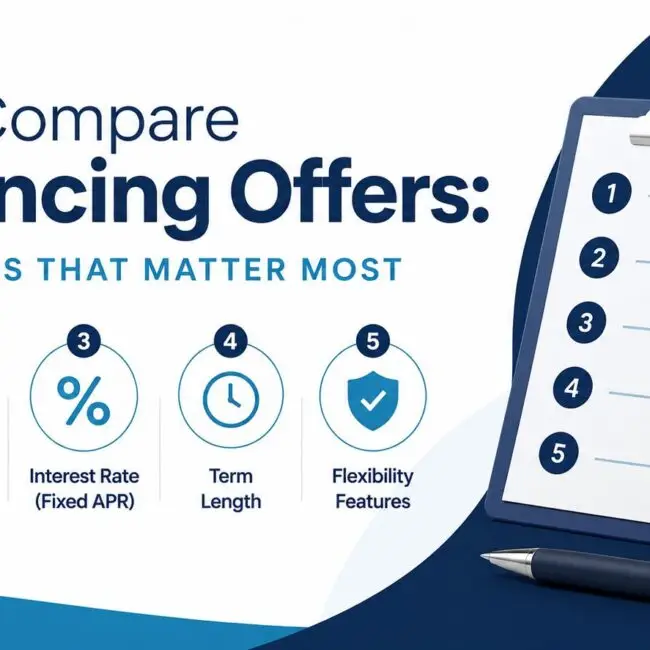
To find the best refinance rates, keep an eye on the market and always compare offers from different lenders. Start by checking rates online and using free comparison tools to see what’s available. This will show you lenders offering competitive rates and favorable terms. Remember, a difference of just 1% can lead to significant savings over the loan’s duration. Evaluate each offer carefully, considering both interest rates and any associated fees.
Using a Student Loan Comparison Tool
Admire’s student loan comparison tool is designed to simplify your search for the right refinance option. It allows you to view multiple lenders’ offers side by side, making it easy to compare rates and terms. This free and independent comparison does not require a hard credit pull and won’t impact your credit score. Keep in mind, tools like Admire’s can save you time and are setup to help you make an informed decision based on real data.
Benefits of a Soft Credit Check Refinance
Refinancing without a hard credit check can be advantageous. A soft credit check lets you see pre-qualified rates without impacting your credit score, providing a stress-free way to explore your options. This approach is especially useful if you’re unsure about refinancing. It allows you to gauge potential savings before committing to a lender. Using a tool that offers this feature can give you peace of mind while shopping around for the best deal.
CLICK HERE if you ready to look at real loan options. It takes just 3 minutes!